Registered Planning
Utilization of RRSP and TFSA structures remains the primary method for deferring liabilities and securing tax-free capital gains over decades.
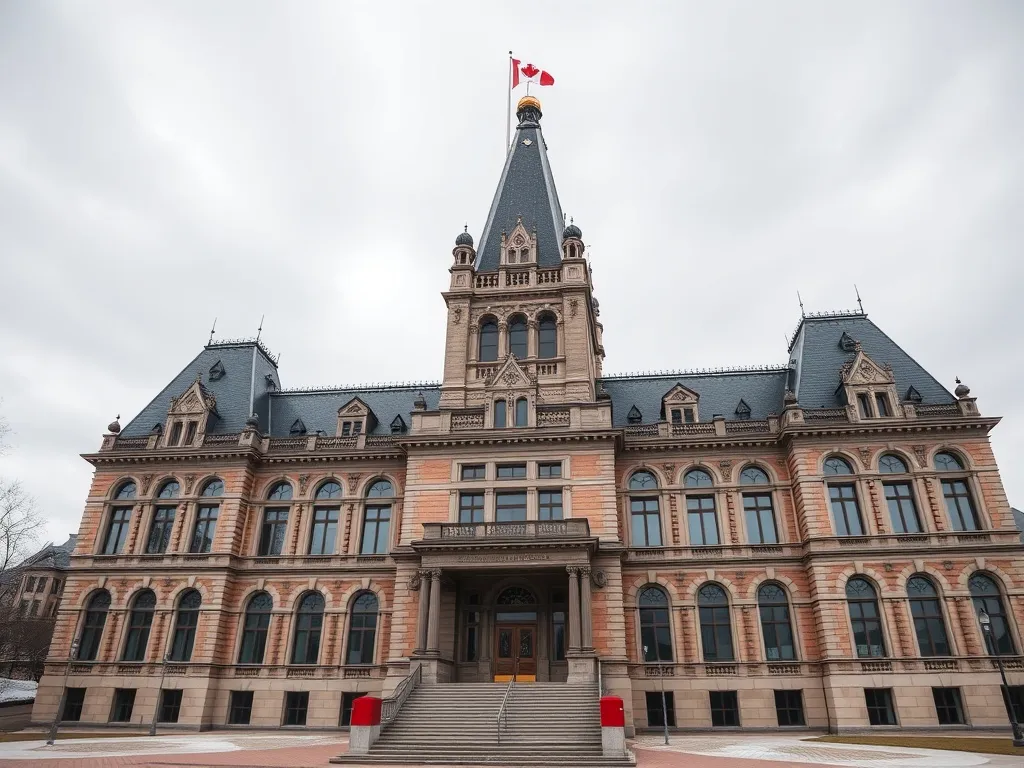
The Canadian fiscal landscape has transitioned from temporary wartime measures in 1917 to a complex multi-tier framework. Understanding these legislative shifts is critical for modern asset protection and long-term liquidity management.
Base Federal Rate
Applied to the first $55,867 of taxable income for the 2024 fiscal year, representing the foundational tier of the progressive system.
Top Federal Tier
The threshold for high earners exceeding $246,752, necessitating advanced strategies in banking history and diversification.
Basic Personal Amount
The non-refundable tax credit indexation ensures that low-income individuals maintain essential purchasing power against inflation.
Manitoba utilizes a three-bracket system that operates independently of federal thresholds. As of 2024, the provincial rates are structured at 10.8%, 12.75%, and 17.4%, creating a combined marginal rate that requires precise calculation for those analyzing the Winnipeg housing market data.
Recent adjustments to the Manitoba basic personal amount have been implemented to alleviate the tax burden on middle-income households. This regional evolution reflects a broader trend toward provincial autonomy in fiscal policy, impacting how families allocate capital for long-term growth.
Utilization of RRSP and TFSA structures remains the primary method for deferring liabilities and securing tax-free capital gains over decades.
Strategic contributions to RESP accounts leverage government grants while providing a tax-efficient vehicle for post-secondary cost coverage.
Balancing dividend-paying equities with capital-gain-focused investments optimizes the dividend tax credit and reduces effective rates.
The evolution of the Canadian tax system demands continuous adaptation. Review our comprehensive historical data to better position your family's financial future.